Designing Sound That Sticks: Brand Memory Lessons from Composer Hiroyuki Sawano
Memory is encoded the moment sound meets emotion
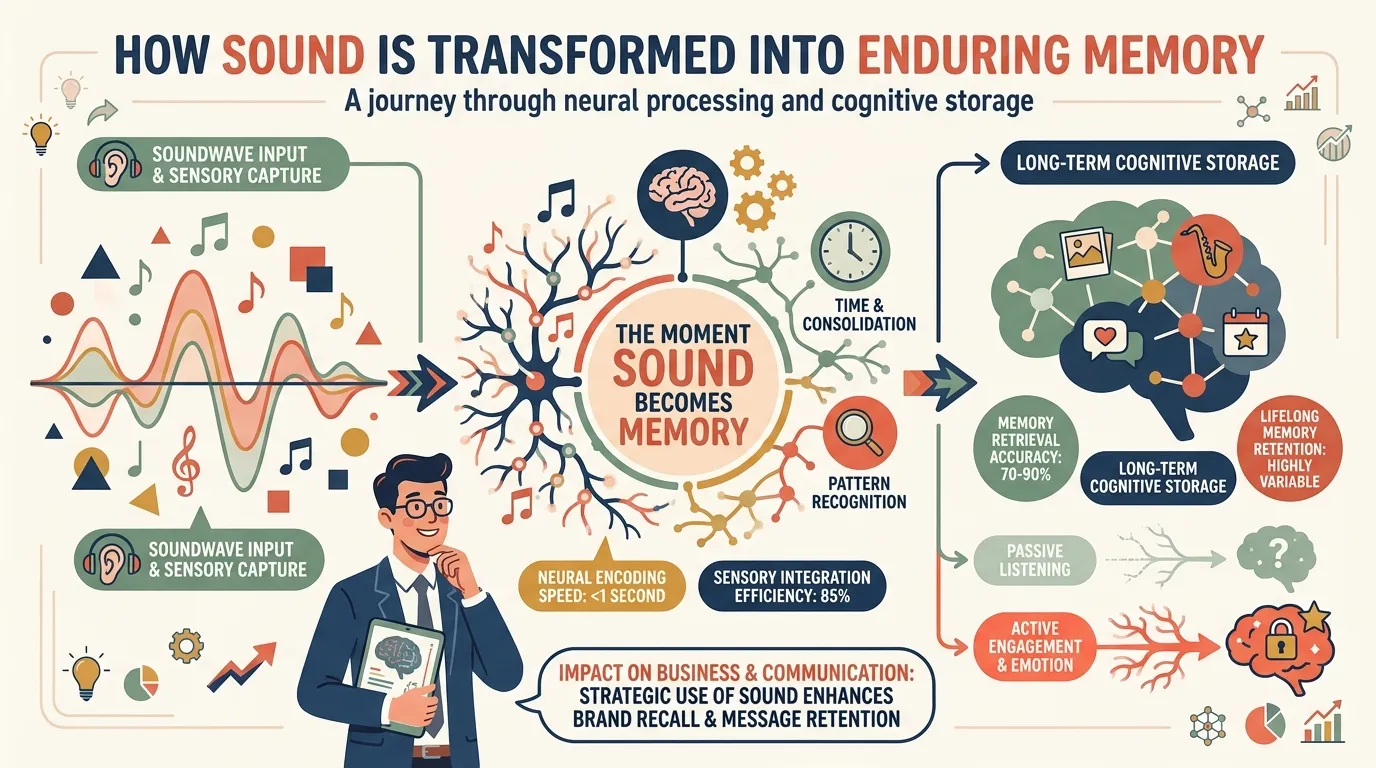
The Intel chime. Netflix’s “ta-dum.” The theme from Mobile Suit Gundam UC. What these share is simple: a few seconds of audio and something unforgettable floods back.
What Hiroyuki Sawano Revealed About Lyrics
Composer Hiroyuki Sawano — known for his film and anime scores including Mobile Suit Gundam UC and Team Medical Dragon — discusses his craft in his book Illusion of Sound (Fusōsha). The central revelation is a deliberate technique: embedding lyrics into instrumental scores.
Lyric-bearing music is retained longer than purely instrumental music. This sounds like an aesthetic preference, but it’s grounded in neuroscience. As Sawano puts it, “When I write a theme, I approach it with the resolve to make that piece the definitive center of the work.” For marketers, this philosophy carries a direct implication about how brand audio should be treated.
Why Lyrics Make Sound Stick
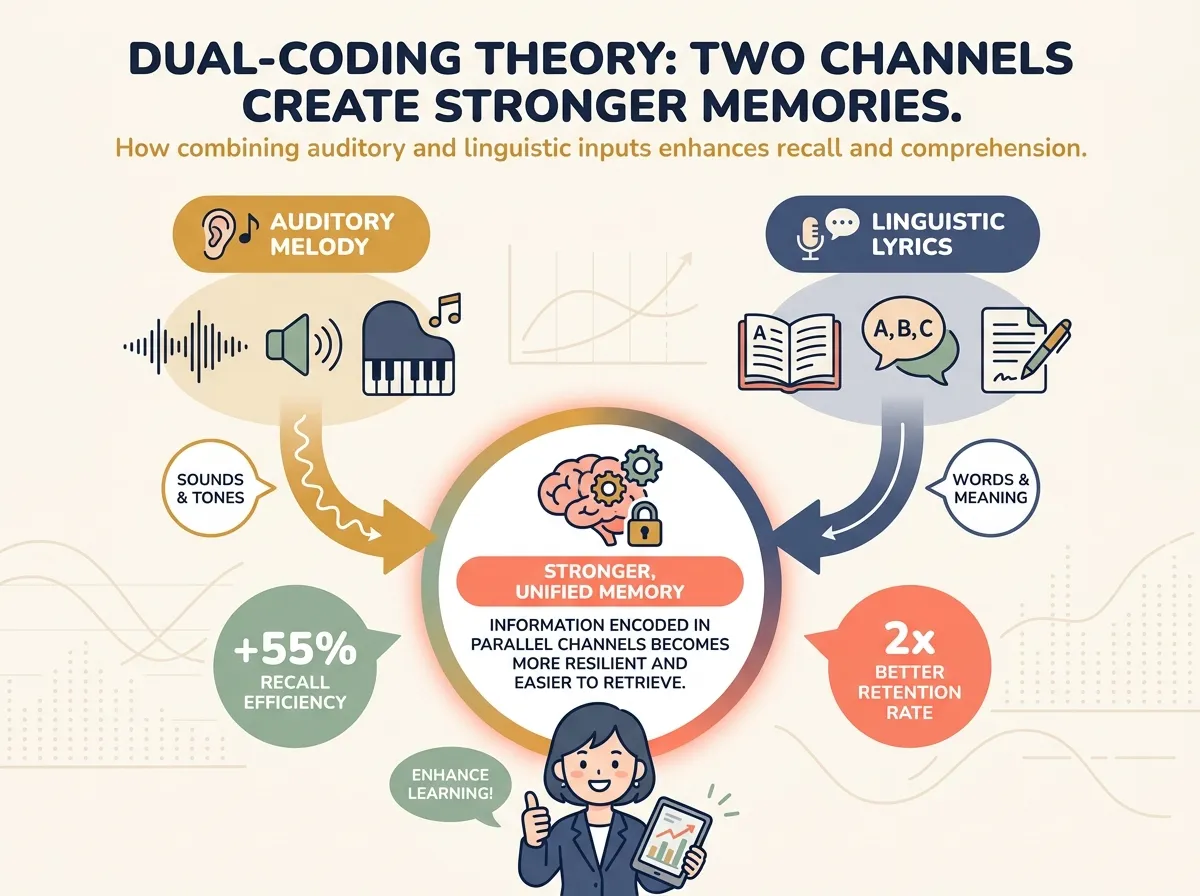
Cognitive psychology’s dual-coding theory provides the mechanism.
Human memory is more retrievable when information is encoded through multiple channels simultaneously. A lyric-driven piece of music activates both the auditory channel (melody) and the linguistic channel (words), effectively creating two memory traces from a single experience. More retrieval cues mean more ways to surface the memory later.
Sawano’s technique of synchronizing music with a character’s emotional state maps directly onto emotional-encoding. When the brain encounters information during a moment of strong emotion, the amygdala enhances hippocampal consolidation — that experience is more likely to be stored long-term and recalled with greater fidelity.
mere-exposure and the Architecture of Repetition
sonic-branding is not a one-shot affair. Its long-term effectiveness depends on the deliberate design of repeat exposure.
Zajonc’s mere-exposure effect demonstrates that people develop positive associations with stimuli simply through repeated contact — no conscious effort required. A TV series theme strengthens with each episode; an ad sound logo accumulates goodwill across thousands of impressions. The listener doesn’t need to think, “I should like this” — the exposure alone does the work.
The implication: a single campaign launch isn’t a brand sound strategy. The motif needs to appear consistently across touchpoints, over time, to let familiarity compound into affinity.
Where peak-end-rule Tells You to Place the Sound
Even excellent brand audio can underperform if placed at the wrong moment. Kahneman’s peak-end-rule offers a precise guide.
Experience memory is not an average of all moments — it is disproportionately shaped by the emotional peak and the ending. For brand audio, this points to two optimal placement zones:
- The peak: the moment of purchase completion, first successful use of a product, or emotional climax in content
- The ending: session close, offboarding flows, the moment just before a customer might churn
Sawano’s use of his most emotionally dense compositions at episode climaxes and conclusions isn’t incidental — it’s structural. The same logic applies to where a brand plays its signature sound.
Three Practical Implications
Sawano’s compositional design surfaces three actionable questions for brand builders.
First: Does your brand sound involve the linguistic channel? Even a brief jingle or a voiced tagline activates the word-memory system, which meaningfully improves long-term retention over pure tonality.
Second: Is your sound placed at the customer experience peak? The color of brand memory — positive, reassuring, exciting — is partly determined by the emotional context in which the sound appears.
Third: Is there a plan for repetition? mere-exposure works with frequency. A motif that surfaces consistently across email confirmations, app sounds, and video content will accumulate familiarity that a single campaign cannot.
Memorable brand sound doesn’t happen by accident. The moment a soundwave converts into a memory node is one that designers can deliberately target.
Sources: Diamond Online, “The Secret Behind Music You Can’t Forget — Gundam UC Composer Reveals His Method” (2026); Hiroyuki Sawano, Illusion of Sound, Fusōsha (2026)
Related Articles
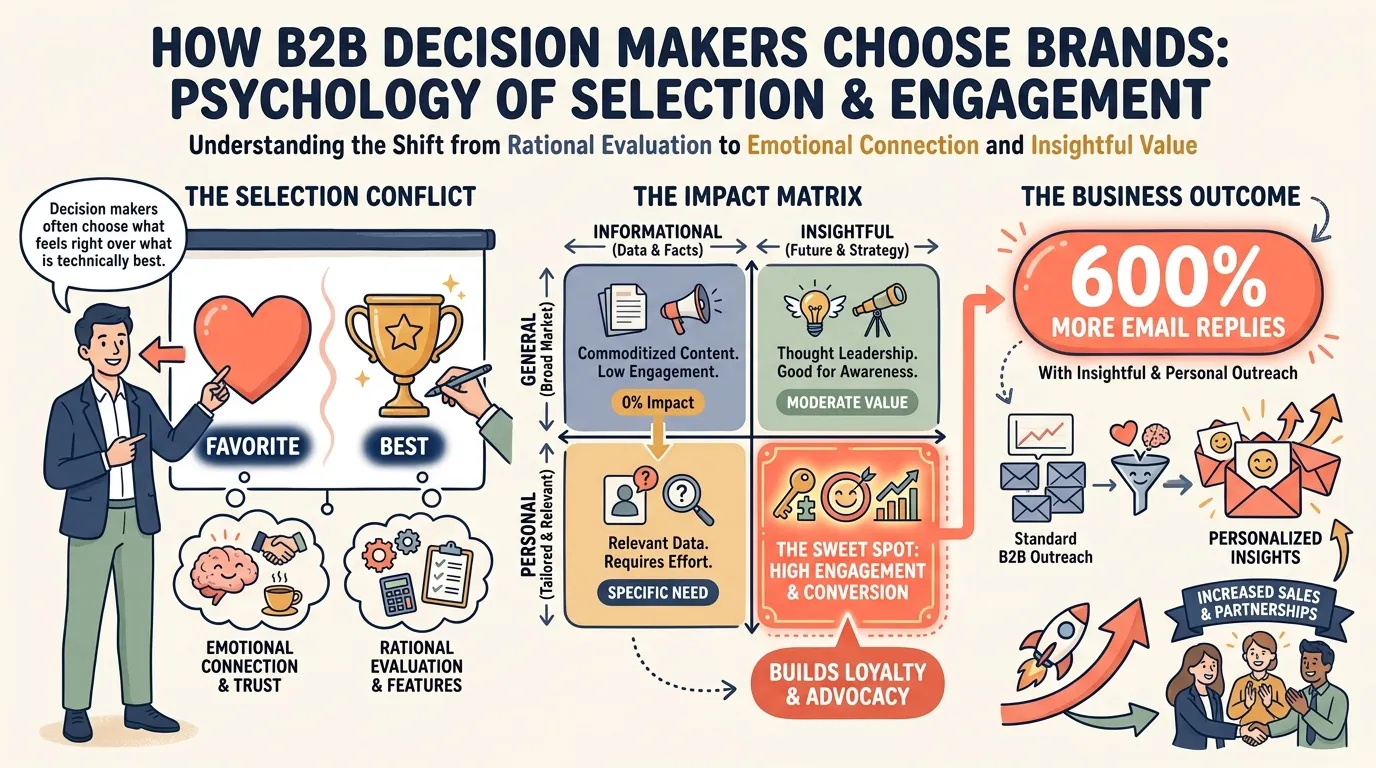
Why B2B Buyers Choose Their Favorite, Not the Best

How Anchoring Quietly Shapes SaaS Pricing
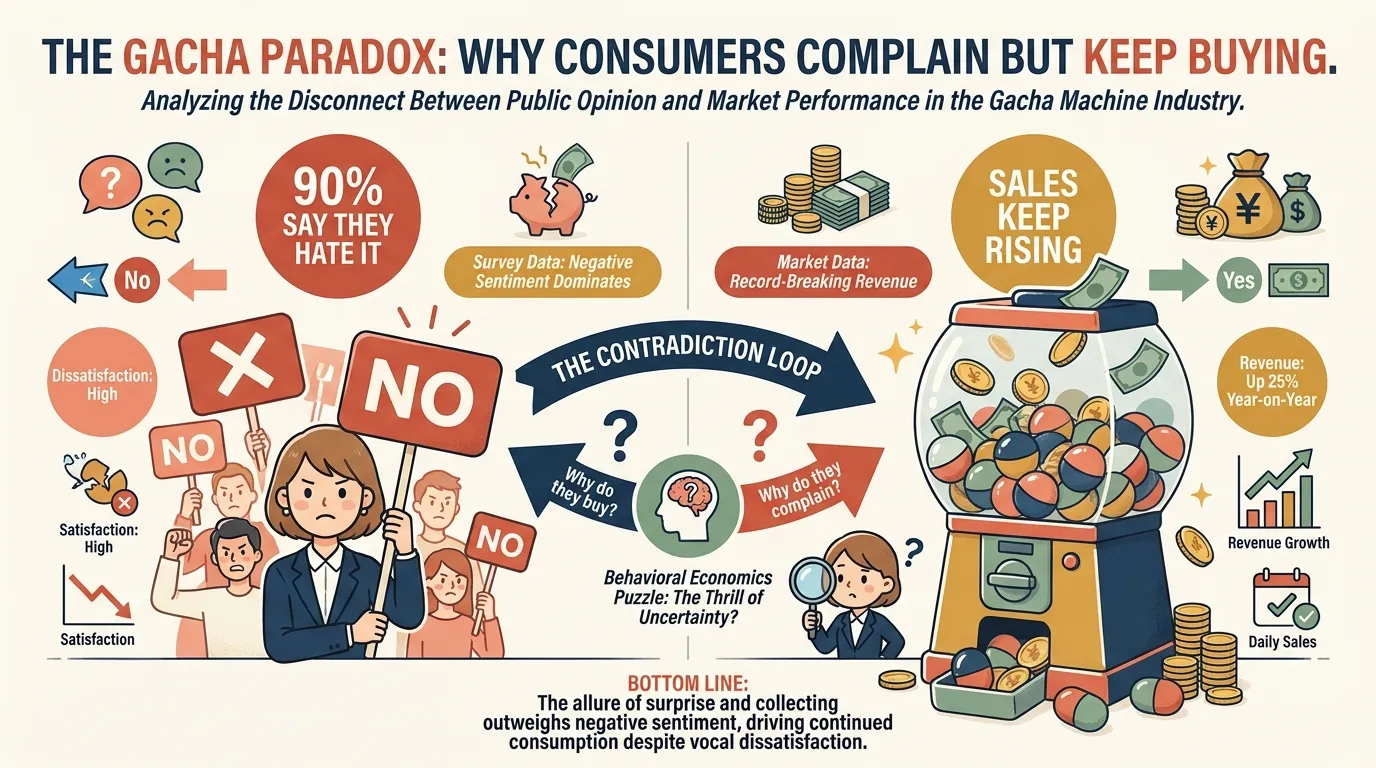
"I Hate It" — Yet I Keep Buying: The Behavioral Economics of Random Merchandise
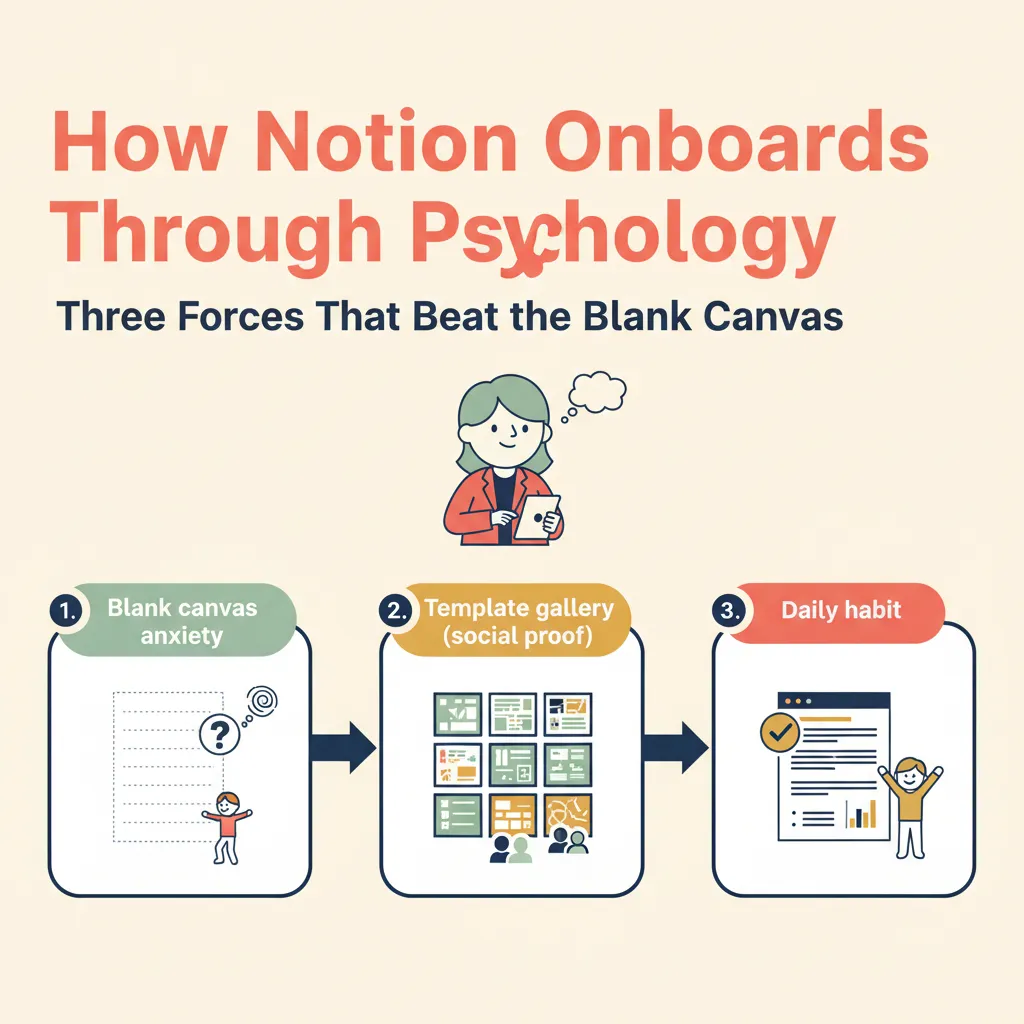
Why Notion's Onboarding Quietly Works

If AI Can't Find You, Your Business Doesn't Start — Adobe CEO on the Agentic AI Gap